
Custom Search
|
Algaecides & Bacteria | Deicers & Bubblers | Weed Removal | Liquid Bacteria | Pond Pumps & Fountains | Aeration | Winter Pond Care | Algae Control | Pond Liner | Muck Pellets | Build a Solar Aerator | Rotary Vane Compressors | Floating Fountains | Building a Pond | Linear Air Compressors & Pumps | Weighted Airline | Diffusers & Airstones | Bacta-Pur Bacteria | Solar Aeration Systems | DC & Battery Operated Pumps | Windmill Aeration | Dock Bubbler Packages | Building a Waterfall | Dyes & Colorants | Consultations | Questions & Answers | Links & Resources | Eurasian Milfoil | | Mosquito Control | Pondkeeper Treatments | Aeration Systems | Septic Bacteria | Grease Trap Blocks | Compost Aeration | Dissolved Oxygen Meters | SOTR & Pumping Rates | Duckweed Control | Pond Plans & Pond Building Books & Guides || News on Ponds | Pond Pictures | Pond Care Strategies
| Pond
Algaecides & Natural Bacteria
Professional grade products for commercial and private pond owners Algaecides | Bacteria For Ponds | Dyes & Colorants | Pond Muck Pellets It seems that whenever we go on-site to do a pond-consultation for someone we inevitably are asked some very common questions. One of the most frustrating aspects many pond owners have is dealing with the water quality issues that arise, sometimes on a yearly basis. The two most common issues we are asked to remedy is algae blooms and smelly green water conditions.
We've spent years trying different formulas and seeing what works and what doesn't. Anyone who looks for ways of getting rid of problematic algae in their ponds and reducing the muck and stinky , smelly pond water in their pond knows that there is no easy method or miracle cure. There are hundreds of products out there that all claim to be the best natural bacteria for ponds and many are excellent products but some are watered down or cut with fillers. The Pond Report recommends, instead of using often harmful copper sulfate, that you look at regular use of the following products. They are excellent at clearing green soupy water and getting rid of that fluorescent green pond water that can be caused by anything as simple as runoff from a nearby field to an overfeeding of fish. Of course having koi, or trout or even those largemouth bass can be a real joy but be cautious of overfeeding. The use of an automated feeder can help, we've seen everything from a 300 pound scatter feeder to a small and quite pretty Koi Cafe to feed fish and these units help by ensuring the correct amount of food, which acts like a fertilizer in a pond, is distributed. In any sized pond the smelly pond water and pond muck that accumulates is really a pain in the you-know-what! Now I love my in-laws but it seems that sometimes the hairy filamentous algae and green mats of horsehair algae are sometimes like Thanksgiving Dinner with the family of my better half! It never seems to end. But as you've read in our article on the importance of pond aeration and the ways to control algae there are fairly cheap ways to have the best natural pond bacteria. That's why we're here; we're more than just a pretty face! To remove filamentous algae, floating algae, bottom algae or horse hair algae Green water and floating algae are two of the most common pond issues we deal with. Adding natural bacteria to your pond will help reduce the nutrients that cause algae and turn the water green. There are some strong herbicides and chemical algaecides that are required for certain pond weeds and aquatic plants like duckweed or milfoil. For the more common filamentous string algae you can use less harsh treatment of a non-copper granular algaecide. This fast acting algaecide can kill floating algae within 72 hours or less. After the algaecide has killed the algae it can be manually removed if it hasn't sunk to the bottom already. The algae will turn darker and sometimes from green to brown as it is being eradicated so you will see evidence that the algaecide is working. Adding the natural bacteria, either liquid or dry powder, will help clean up the remnants of the algae that have died so they do not just sink and accumulate as another form of nutrient. Without adding a natural bacteria after treating with an algaecide you risk running in circles always adding more and more algaecide. Adding the pond bacteria every two weeks or so will maintain your pond and this should eventually become your only treatment. Having good circulation or aeration in the pond will help as well.
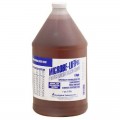
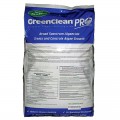
There are natural ways for string algae control that involve a few simply applications so you don't have to toss in three bales of barley straw to get your water clear enough to see the bottom no matter what your neighbor says. If you want a simple step-by-step guide to getting rid of unwanted pond algae then here it is: STEP 1: Algaecide STEP 2: Bacteria Can't get easier than that can it! And if you don't have algae then just go to step 2 and follow the maintenance dosage. Use a combination of of natural algaecide and then a beneficial bacteria to clean up the decayed cells that will be left after the algaecide has destroyed the algae. The recipe we have found to be most effective involves two basic ingredients: First, apply the non-hazardous algae killer and then, 72 hours later, begin treating with natural bacteria to consume the dead algae. WHAT DOES THIS BENEFICIAL BACTERIA DO? First of all I am often asked about the make-up of this bacteria and w hile most suppliers treat their recipes as if it were the Colonels Secret Recipe for KFC we can say that these organisms have been deemed appropriate and safe for use in ponds and lakes by the United Stated Environmental Protection Agency and the Canadian Environmental Department because of their beneficial and harmless nature. You can expect the following benefits: INCREASED GROWTH AND HEALTH OF FISH - This natural bacteria mixture is comprised of healthful organisms that are natural food for aquatic insects. The bacteria multiplies as it feeds on organic sediment, and insects grow and multiply as they feed on the bacteria. Fish then feed on the insects and grow rapidly as insects are one of the best foods for fish. INCREASED DEPTH - As the bacteria feeds on bottom muck, your pond or lake will deepen, making a better environment for fish, and less opportunity for weeds to grow. Cattails and lilies will not gradually disappear. The beneficial bacteria removes nutrients that many unwanted aquatic weeds are nourished by. Neither cattails nor lilies will gradually disappear by using bacteria, indeed lilies and cattails can provide beauty and add oxygen to a pond and if cattails are a problem as they can be invasive you should do manual removal. Bacteria removes the mucky buildup and this this process is a more economical means of removing organic sediment than dredging and is much more sustainable!. ALGAE & ODOR REDUCTION - Filamentous algae, also known as "pond scum," forms dense hair-like strands that can form thick floating mats. Its growth begins on submerged objects on the pond bottom. As it grows, the algae gives off oxygen that becomes entrapped in the mat of strands. This gives it buoyancy and causes it to rise to the surface where it frequently covers large areas of the pond. Filamentous algae is often a persistent problem because it reproduces by plant fragments, spores and cell division. Treatment with a beneficial bacteria can solve this problem. CLEANER SHORELINE - You will begin to see clean sand or gravel on your shoreline where only muck was present before (if sand or gravel is present at the shoreline under the muck.) CONTENTS IN BENEFICIAL BACTERIA - Specialized, preselected, adapted microorganisms, bio-organic catalysts and microbial growth stimulants on an inert carrier. Included species include, but are not necessarily limited to : Bacillus subtilis, Bacillus licheniformis, Bacillus polymxya, Bacillus circulans, Bacillus amyloliquifaceans. Barley extract is also included in products listed to contain barley straw extracts. Microbe Lift Algae Control Non-Copper Granular Algaecide EPA Registered - CleanGreen - Pro7 Rating (Our Highest) CG Pro7 is an alternative to algaecides that utilize either copper or synthetic chemicals as their active ingredients. Instead of a copper-sulphate algae killer which also acts on living creatures it is wiser to use a gentler approach. CG Pro7 is a granular product that attacks planktonic and filamentous algae on contact. Through the power of oxidation, the treated algae die within hours of being treated. CG Pro7 is a non copper based granular algaecide that works quickly to control string algae and other types of pond algae. CG Pro7 is an algae killer that works on contact to kill algae and help keep ponds clean all year long. This is a non-hazardous algae killer that is safe for fish, birds and pets once added to the water. CG Granular Algaecide begins working to control algae within 60 seconds of application, with visual results in 24-48 hours. Once you have treated your pond with the required dosage of the algaecide you may notice your algae may appear to get worse! This is, of course, quite a shock to anyone who has purchased a algae control product but it is one of the way that the pesky algae almost wants to have a last laugh with us! As the algae becomes starved from lack of nutrients or begins to suffer the poisonous effects of the granular algaecide then it will often turn dark and float to the surface causing large black mats sometimes of thick dark green algae. Don't worry...this is normal and the pond will clear up. A pond is surely one system where the saying "It will get worse before it gets better" really applies! We've said before patience is a virtue with your pond! After that you have added the algaecide it is time to add a natural safe bacteria to to then devour the dead and decaying algea cells that sink to the bottom. There are many brands of on the market including BactaPUR, Bacterius, PRO Formula Pond Cleaner, Aquaspheres, BarleyBac, BioBac, Nature's Pond Conditioner, Pond Care Pack, AquaClearer Extreme Dry & Liquid, and the list goes on and on. Granted many of our friends from around the world in our travels have had good results with these products and our philosophy is is that if the shirt fits then wear it! We have chosen the best natural pond bacteria product to recommend when we do our on-site consultations. When used in the correct dosages and and when following our guidelines for aeration the results have been 100% successful. These days it seems that there is more and more talk of bacteria and friendly cultures and the beneficial strains of harmless single-celled miracle working creatures that can literally save the world! Of course it's great to know ow that our yogurt is enriched with some sort of bacillus that will sit in our guts and cause a blooming rainbow flora within us! Heck, I'm even hearing that toothpaste full of living bacteria is coming and while I may be somewhat open-minded I still don't know if I want to have creepy crawlies on my electric toothbrush! But my point is this; in the last 15 years I've been a professional pond consultant I've seen some truly dramatic results using our friendly ancestors from the Earth!
 By
results I mean seeing a eutrophic pond that has gone from a decrepit
swamp and a mud infested stinking mess into a vibrant and healthy
ecosystem. I have literally seen lakes reverse from what looked like
an impossible comeback where a bright green, scummy stinky pond returned
to her original, or "Oligotrophic",
state. No "Oligotrophic
State" that is not an unknown State of the Union that we have
rarely visited; the Oligotrophic
state is a technical term describing a healthy pond which according
to the definition are ponds and lakes that are have generally clear
water, are fairly deep in relationship to the diameter of the pond
and free of weeds or large algae blooms. By
results I mean seeing a eutrophic pond that has gone from a decrepit
swamp and a mud infested stinking mess into a vibrant and healthy
ecosystem. I have literally seen lakes reverse from what looked like
an impossible comeback where a bright green, scummy stinky pond returned
to her original, or "Oligotrophic",
state. No "Oligotrophic
State" that is not an unknown State of the Union that we have
rarely visited; the Oligotrophic
state is a technical term describing a healthy pond which according
to the definition are ponds and lakes that are have generally clear
water, are fairly deep in relationship to the diameter of the pond
and free of weeds or large algae blooms. Though such ponds are beautiful and the crystal waters are desirable, they are often low in nutrients and do not support very large fish populations well. With the proper aeration and bacterial treatment, or what my daughter calls the "vitamin pill for the pond", a properly managed oligotrophic lakes can develop a food chain capable of sustaining large game fish such as trouts and bass species. Eutrophic lakes, on the other hand, are very high in nutrients and support a large biomass (all the creatures, rooted and footed, living in a lake). They are usually either extremely weedy or subject to frequent algae blooms, or both. Eutrophic lakes often support large fish populations, but are also susceptible to oxygen depletion, which is why we often recommend installing a proper aeration/circulation system in any pond that has reached this stage especially if we are considering the algaecide and bacterial treatment. Small, shallow, eutrophic lakes are especially vulnerable to experience winterkill which can reduce the number and variety of fish, another reason why an aerator, which allows gassing off and maintains an opening in the ice on a pond is recommended. Mesotrophic lakes lie between the oligotrophic and eutrophic stages. Fairly absent of any oxygen in late summer, the hypolimnions of such aquatic systems limits the survivability of cold water fish and causes annual phosphorus cycling from sediments. Ok...well that was a bit of a detour down the scientific winding road and I hope your eyes haven't glassed over just yet! We still wanted to describe our natural bacteria choices and why we feel they are the best available. Our beneficial pond bacteria mixtures (available in both liquid and dry varieties) are a unique formulation of beneficial living microorganisms that actually feed on organic sediment (muck) that builds-up at the bottom of ponds and lakes. Leaves fall, fish poop, and plants and grass fertilizers get into the pond creating an organic load that includes enough chemical and natural nutrients to turn any pond into a smelly green mess riddled with floating mats of gelatinous algae! 1 - The Natural Way Natural bacteria for ponds If the pond is small enough just the best way to remove the weeds or plants is to manually remove it day by day, hour after hour, until there is none left. Of course it is really tough to completely eradicate the problem but you can keep it under control just like keeping the dandelions out of the vegetable garden! You need a net with a long handle or a good quality aquatic rake to harvest this pond weed if you want to deal with this problem naturally or you can look into some carp species that will eat aquatic plants. 2 - The Chemical Way Aquatic herbicides and pond weed killers on Amazon (affiliate link) Aquatic algaecides and herbicides are very effective at controlling unwanted invasive pond species. You should understand that such algae problems, well...it's not really an algae but an aquatic weed plant, if they are treated with herbicides can lead to a dependency or resistance and scientists generally agree that chemical selection pressure that is applied applied to aquatic weed populations for a long enough period of time eventually leads to resistance. This means that while the chemical pond weed killer may work quickly and effectively for the first few years, unless you are adding a positive treatment with aeration and natural beneficial bacteria you will just be "chasing the dragon" so to speak! The natural organisms that are the derivative ingredients of pond bacteria are actually already there found in the woods slowly feeding on dead leaves, bark, weeds and other decomposing matter. You should have thought of harvesting the decaying material in your backyard had you known it was full of something that pond owners would pay for! The key is to boost the natural level of microbes in the pond to out-compete the nutritional needs of the algae. Basically the favorable strains will literally choke out the unwanted growth because they both eat the same nutrients in the muck! So by applying a mixture that wants to sink into the pond sediments and consume it you can literally eliminate your surface alage...sure it takes time but you should see the pimple behind my ear...that has taken over three weeks of care and it still hasn't disappeared! If you are lucky enough to live in the country, when you take a stroll through the woods, you unknowingly step on as many as 300 Million of these wee organisms with every size-9 step. Our recommended bacterial products are comprised of healthful and pathogen free organisms that are, at various times in their life cycle, natural food for aquatic insects that hover and nest on the pond. The bacteria multiplies as it feeds on the organic sediment, and frenzied insects grow at the new buffet-table and multiply as they feed on the bacteria that is literally ecstatic at the organic load it has to consume! Email
us for information or with your questions. | |||||