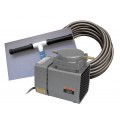
Pond Pumps
Your
pond pump is one of the most important aspects of your pond
Your
pond is alive with fish and pants and algae and insects and all of
them are trying to find a balance. Think of your pond as a human body
with blood and bones and skin and hair and you see how we can draw
parallels between a pond and a living person.
What is the one thing that every one of us needs to keep healthy in
order to guarantee our survival?
The Heart!
Yes the heart pumps our oxygenated blood through our veins and into
our brains and lungs and keeps our vital organs strong and alive...it
is much the same for a pond and the pump is like our heart; you need
a reliable pond pump to ensure that everything is moving and the nutrients,
lungs and organics in your pond are all well kept!
Just like our
own nutrition is important so is the nutrition of a pond and again,
the pump plays a primary role in ensuring that the water doesn't
stagnate and keeps moving through the thermocline and into the upper
levels of the pond and to the surface where the oxygen transfer
can occur.
Yes...the pond pump is one of the pieces of the puzzle that should
be researched before buying. Check the favorable reviews for your
pump before you buy it...there are many variations available from
amazon.com and ebay.com but not all motors are created equal.
Many of my clients
ask me how to build a pond pump or how to build a pond aerator and
the answer is always pretty much the same: you can't really!
Well of course if you are like the Professor from Gilligan's Island
you might be able to build a pond aerator system out of palm tree
leaves and coconut husks wrapped around old stainless steel dishwasher
muffler parts but not everyone has been to NASA science school...some
of us...myself included couldn't build a homemade windmill aerator
if my life depended on it!
You may
have electricity near the pond are considering a 110 volt or 120
volt submersible or shore mounted linear pump. These work very well
even for driving a waterfall. Some of my clients consider solar
pumps, solar aerators or solar powered lawn mowers!
OK...I may be exaggerating with the solar powered lawn tractor as
usually it is too expensive to make a fountain or pump work with
cheap do it yourself solar power systems.
"Listen
up" my wife said! Instead of trying to build a cheap aerator
or fashion a homemade pump system from the old tennis rackets and
fireplace bellows you have in the garage just make the leap and
buy a good quality pump for a few hundred dollars.
I know it isn't in some of your genetic code to spend more that
$19.99 on a pump but if you value the investment you have put into
building a pond and stocking it with fish then you should perhaps
use professional equipment to aerate and make your waterfall instead
of trying the DIY route!
I'm not against trying to whittle a beer-opener out of a tree branch,
heck, I've done that many a time but when it comes to my pond I
want to just buy a cheap pump that lasts for years and has good
reviews and then I'm all set!
My time is becoming more valuable as I get older and I don't want
to spend 12 hours in the garage building my own aeration pump if
I can order one for a few hundred bucks!
Submersible
Pond Pumps
Our
Choices For Pumps on Amazon
As an Amazon affiliate we may recieve payment
for purchases made through Amazon. |
|
|
|
|
|
|
|
|
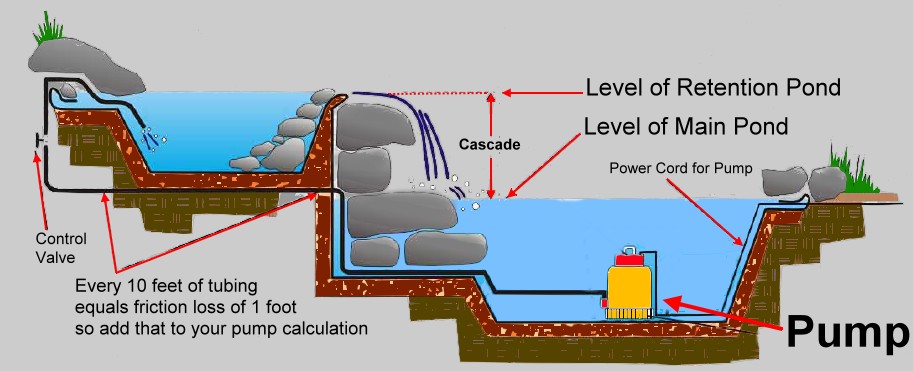
Stage 1 -
Placement
of pump Secure flexible tubing to the outlet of pump using a stainless
steel hose clamp. Submerse at the furthest point from the waterfall.
Route the tubing over side of pond (can be hidden under perimeter
stones). Make sure the stone does not pinch the tubing, and avoid
sharp bends in the tubing so it does not kink and reduce flow.
Stage 2 - Tubing Route the tubing to the waterfall. Bury
under soil.
Stage 3 - Building waterfall pond Use displaced soil from
pond to build an elevated area for waterfall. Consider making a
small auxiliary pond in this mound. Position the spillway to flow
into main pond. Build the small pond using the same techniques and
liner as the main pond. Two layers of liner are recommended for
this pond. The first one contains the water. The second liner channels
the water towards the fall. Important! Be sure the liner drapes
underneath the waterfall spillway stones - otherwise you will experience
water loss when the waterfall is in operation. You may need to use
liner seam tape in this stage.
Stage 4
- Building spillway Once the spillway liner is in place - you will
want to pump water up to the auxiliary pond and watch it flow down
the liner spillway. (At this stage - your pond should be full of
water). Carefully select stones and position them - while the water
is flowing over them. With the water flowing over the rock, you
may replace, shift and add stones so you achieve the desired water
spills you desire. Place plant moss and small plants between the
stones around the waterfall to achieve a natural look.
Pond Books & Guides
Our Selections On Amazon

As an Amazon affiliate we may receive payment for purchases
made through Amazon.
 The
Complete Guide to Water Gardens, Ponds & Fountains The
Complete Guide to Water Gardens, Ponds & Fountains
Plan, create, and enjoy your dream water garden! Provides essential
information on designing and installing all types of home water
gardens, from naturalistic to formal, plus fountains, waterfalls,
streams, bog gardens, rain gardens, and more.
With this expert guide, you’ll learn how to construct each of
these structures, as well as how to incorporate a variety of
aquatic plants, fish, and other pond inhabitants, and even how
to design wooden bridges and stepping-stones.
Also included is new information on construction, planting methods,
and various DIY ponds, water features, and rain gardens that
are suitable for both small, urban lots and expansive suburban
landscapes, making this complete how-to guide accessible for
anyone! |
 Creating
Ponds, Brooks, and Pools: Water in the Garden (Schiffer Design
Book) Creating
Ponds, Brooks, and Pools: Water in the Garden (Schiffer Design
Book)
Water forms the soul of a garden. A quiet pond, a babbling brook,
or a dramatic pool can make a garden unique.
To achieve such beauty, however, requires careful planning and
design. Using over 150 brilliant color photographs, this splendid
and inspiring book presents the variety of possibilities for
using water in the garden.
The informative and enjoyable text provides helpful planning
details, including advice on waterproofing, the shore formation,
attractive plantings, even fish. Planning and building any kind
of water garden is not only fun, it greatly enriches the joy
that is found in one's own backyard garden. |
 Building
Natural Ponds: Create a Clean, Algae-free Pond without Pumps,
Filters, or Chemicals Building
Natural Ponds: Create a Clean, Algae-free Pond without Pumps,
Filters, or Chemicals
Typical backyard ponds are a complicated mess of pipes, pumps,
filters, and nasty chemicals designed to adjust pH and keep
algae at bay. Hardly the bucolic, natural ecosystem beloved
by dragonflies, frogs, and songbirds.
The antidote is a natural pond, free of hassle, cost, and complexity
and designed as a fully functional ecosystem, ideal for biodiversity,
swimming, irrigation, and quiet contemplation.
Step-by-step guide to designing and building natural ponds that
use no pumps, filters, chemicals, or electricity and mimic native
ponds in both aesthetics and functionality. Highly illustrated
with how-to drawings and photographs. |
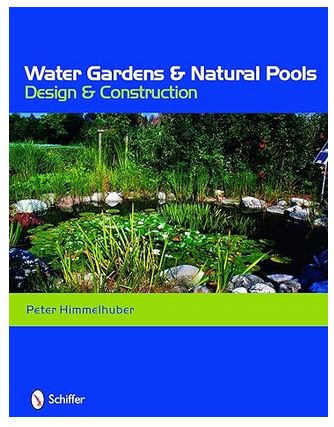 Water
Gardens and Natural Pools: Design and Construction Water
Gardens and Natural Pools: Design and Construction
With over 300 beautiful color photos and an informative text
offers practical knowledge for the planning, building, and care
of water features in gardens.
From design to maintenance, all necessary steps are made clear,
including planning, building processes, material uses and techniques,
and using rainwater as they apply to fountains, biotopes, brooks,
swimming pools and ponds, plants and animals.
Step-by-step instructions, informative suggestions, maintenance
tips, lists of plants, and plans are included.
This book is essential for anyone intending to include a water
feature in their landscape design. |
For waterfalls
it is recommended to have between 50 Gallons per Hour and 150 Gallons
Per Hour for every inch of width of your waterfall. i.e.: If you
want an 18" wide waterfall you should have a pump giving between
900 and 2700 Gallons per Hour. To determine the size pump you need
for your pond, take the total volume of water of your pond (in gallons)
and select a submersible pump that will pump at least that much
water per hour. So, if you have a 1000 gallon pond, you will need
a pump with a flow rate of at least 1000 gallons per hour. It is
better to use a larger pump that required and add a flow restricter
valve, this allows you to adjust the flow as required. If you have
any questions please email
us
Your
Pump Is The Heart of Your Pond
As I sit around the backyard with my family and friends
watching the fireflies dip and dance in the reflections and ripples
of my pond I often breathe a deep sigh as I sip my cranberry juice
and say a silent thank-you for giving me the chance to enjoy the
moment. I'm sure many of you pond owners know the times you spend
in the tranquility of the backyard pond is priceless! Of course
I also enjoy fishing for bass on the large earth pond I have on
another property a few miles away; nothing like pitching the tent
by your a 2 acre pond surrounded by birch and pine trees at sunset
as the fish hop and jump for their insect supper or the occasional
fish hook of Uncle Bob, the champion fisherman of our family!
But since I live in the city with a fairly small 15,250 square foot
property I have spent much of my time at home concentrating on my
backyard water garden, or the "money pit" as my wife likes
to call it! When I first broke the soil with the shovel, first started
digging the pond, I was a bit of a beginner and wasn't really prepared
for what was in store for me. We'd lived in homes that had outdoor
pools, both inground and above ground pools, and we had said to
each other that these pools were too much work and maintenance with
the additional of chlorine and pucks and scrubbing the algae off
the cement walls of the pool we had realized that a swimming pool
was 80% work and 20% enjoyment...well...since it was me who did
all the work I'd say that my wife got 100% enjoyment and I did all
the work...but that's another story!!
Before I get
to the pump reviews where I review pond pumps let's start with the
basics that most of my clients ask me when I visit there property
as a pond consultant and they ask me what to do to build a healthy
and self-sufficient pond. Digging the pond and laying the EPDM liner
is easy; I mean I do break a sweat when I do it but it is not a
special skill to build a pond...the key is to make sure all elements
are in place to allow the small water garden to not be green and
stinky...that just takes some basic knowledge of what sort of pond
chemicals or additives like beneficial bacteria need to be added.
We have often heard people pontificating about the importance of
aeration and everyone inevitably asks me why do I need to aerate
my pond and the reason is simple...in fact it comes straight from
the heart!
Our
Choices For Pumps on Amazon
As an Amazon affiliate we may recieve payment
for purchases made through Amazon. |
|
|
|
|
|
|
|
|
Why should
I have a pump?
You do not absolutely have to have a pump for a pond you may want
it to look "natural" without any ripples or movement but
sometimes stagnant or still waters can be breeding grounds for mosquitoes
and algae and green water can become a problem...not all the time
but often a pond without a good circulation/aeration system will
develop problems so if you do want a pump there are many benefits
as we've discussed in our aeration pages. As we've said the
pump is the "heart" of any pond and is good at supplying
a small fountain, a waterfall or even pumping through your skimmer
and biological filter.
The size of
the pump you choose depends on what you want it to do. If it is
just for a fountain then most pumps come with suitable attachments.
If it is to run a filter and fountain then it needs to be slightly
bigger. There are multipurpose systems that have multiple outlets
that allow tubing to run to your spitter or waterfall as well as
add-on fountain nozzles that can be changed to create cheap fountains
anywhere from 12 inches to 6 feet of spray above the pond!
The quantity of water in the pond dictates this. If you have a "average
pond" then the water should be turned over every 3-4 hours,
but it should be every 1-2 hours for a koi pond. Your choice of
pump should be one that is big enough to turn the water over often
enough and run a fountain (if required) It is better to have a bigger
than required pump as you can reduce the flow easier than trying
to increase the flow of an undersized pump!
Now...choose
the best pump for your surroundings
There are two types of waterfall pumps we use. The External Pump
and the Submersible Pump. The external pump sits outside of the
pond much like a swimming pool pump would. It has an intake hose
in the pond, preferably at the deepest point of the main pond and
far from the waterfall to provide the best circulation efficiency
for the system. The Submersible pump is actually in the water and
sucks water directly through the pump into the outlet hose to the
waterfall or retention basin. Both work, but all pumps are not equal.
So what is the
best pump available? The choice of pump is up to you, but you should
take a few things into consideration once you have made up your mind
on using a submersible sump pump type of pond pump or fountain pump
or the ground mounted external system.
If you want a fountain and filter will the pump be strong enough to
run both? I often suggest that you have two separate pumps but the
110V submersible pumps are often the best choice for the average small
pond or water garden. Do not forget at night the general ambient noise
level is quieter than during the day so what may be a pleasant "lapping"
or "tinkling" sound when the fountain is splashing during
the day can become an extreme "crashing" or "gushing"
noise at night which may upset you and your your neighbors more than
the teenager with the new car down the street with his new sound system
in his totally tuned Honda! If you have two pumps you can turn the
fountain pump off when it gets late, or better still fit a timer on
to your pond system and have the noisy pond bits running only when
it is appropriate!.
Another thing to be considered is how much will it cost to run? The
cheap pump from the hardware store or the one you bought on Ebay may
be cheaper to purchase but what about its running costs and the warranty?
A "sump" pump is fine and you can buy one from the local
hardware store for less than $100 but those sorts of pumps are mainly
for sucking the flood waters from your basement and not designed for
continuous duty in a pond! A system that must run 7 days a week and
24 hours per day must be reliable and when it is running most of the
summer, with the cost of electricity, you need to avoid the cheap
"power hungry" models and get something that is efficient...the
initial cost may be high but just because you get a deal from Jimmy
in South Dakota selling his aquarium filtering pump on Ebay doesn't
mean it's the right thing to do!
External
Pond Pumps
Our
Choices For Pumps on Amazon
As an Amazon affiliate we may recieve payment
for purchases made through Amazon. |
|
|
|
|
|
|
|
|
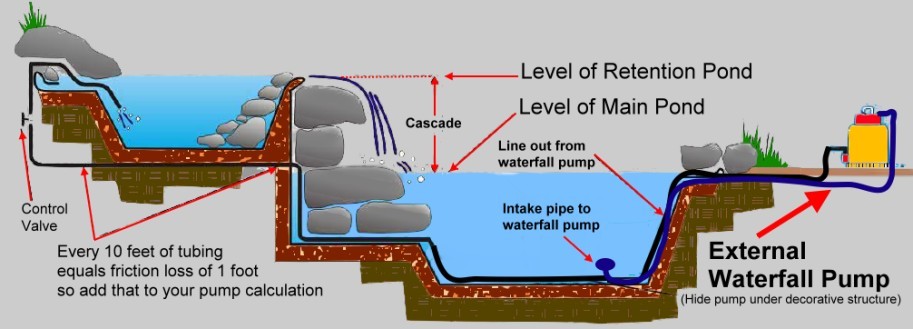
External pond pumps are usually mounted on the shore
and are great because they are easier to service because you don't
need to go up to your elbows in stinky, smelly pond water to retrieve
them!
Place the pump in some sort of insulated cabinet, shed or pool house
to make sure the system is not exposed to rain, snow or other such
hazards like the gnashing teeth of muskrats, beavers and squirrels!
The diagram below shows one popular way how to install your pond
pump. The units we use are all 220V so if you only have 110/115V
then check out the pumps with fountain heads included below this
section.
The Pond Report
has tested dozens of external pond pumps including the Dynamo Pumps,
WunderFlo Pumps, Aqua Flow, Artesian Pumps, Cascade Pumps, Swing
Check Valve Sequence Pumps, Little Giant etc. etc until we were
sick of trying every little cheap pump that said "Made in China"
on the sticker!!. Of course we all prefer something that is "Made
in USA" or we have found Japan, Taiwan, and Germany also make
very good aquatic systems!
Our overall best-performing winner of all reviews of external pond
pumps is the SF-SeaFlo series of pumps. They are a high performance
pump that require a 208/230V electrical service. Designed for larger
ponds and systems that require an extra and powerful flow these
are self-priming with a high efficiency impeller and life extending
diffuser wear ring. They all have a fiberglass reinforced. 2” suction
and discharge ports. Single piece corrosion resistant over sized
strainer pot and volute.
Unique diffuser and impeller provide excellent pressure performance
across wide range of desired gallon per minute flow rates. User
friendly drain plugs. All stainless steel hardware. These pumps
are our favorites as they offer an unprecedented 3 year limited
warranty.
The Pond Report has given Pentair Sea Flow High Performance Self-Priming
Pumps feature sophisticated design translated into unprecedented
power that offers the ultimate in efficiency our highest PK 7 rating
as they are simply the best pumps money can buy. . These unique
external pond pumps are designed to handle the larger capacity jobs
of ponds or larger aquariums to deliver excellent flow with less
friction and less noise while using smaller horse power motors.
For best pump performance, install this pump out
of direct sunlight within 3' of the water surface level.
Perfect for use in pool, water garden, and koi pond applications,
these aboveground pumps keep maintenance convenient. The large strainer
basket and see-through lid permits fewer services and easy inspection.
Their unique diffuser and impeller provide excellent pressure performance
at a wide range of gallon-per-hour flow rates. Easy to remove drain
plugs on the strainer basket and pump chamber make end of season
maintenance a breeze.
Solar
Pumps
If
there is no electricity supply available you can use a solar pump.
They mostly come in two varieties. The floating "island"
type and the "separate submersible" type that has a solar
panel or a few solar panels to operate the pump. While these pumps
may be efficient if they have a night and day back-up battery system
they are not very effective if they are run "solar direct"
or just when the sun is shining. I've also seen many solar pond
pumps become practically useless as soon as a bird poop lands on
the solar panel! You'd be surprised how much a solar power system
can degrade in efficiency as soon as shadows or debris cover one
of the cells of the panel. Again...don't buy cheap solar panels!
Floating
Island solar fountains are so called because they float on the
pool with their solar cells built in pointing upward, looking like
an island. As they are usually small they need a great deal of sunshine
to work and where does the water go? over the solar cells eventually
leaving mineral deposits on the cells obscuring them from much needed
light, so they need cleaning regularly. Also the water cools the
solar cell down making them even less efficient.
Separate
Submersible solar fountains are just that, they have a separate
solar cell or cells which can be positioned away from the pond pointing
towards the sun and the pump is sitting in the pond. As most* separate
solar fountains have big solar cells they can run much more powerful
pumps giving a better display, we have even seen some which have
a "battery pack" to run the pump at night. Also because
they have bigger solar cells they need much less light to start
working and as the solar cells are not under water they need cleaning
less often.
As with most
things in this industry you get what you pay for, Island solar fountains
are fairly inexpensive and if they get damaged you throw them away
but separates you can replace the broken part.
Pond
Report Store
Recommendations
for :
windmill aeration systems
| solar
aeration systems
Waterfall
& Pond Books & Guides
Our
Favorite Selections From Amazon

As
an Amazon affiliate we may recieve payment for purchases made
through Amazon.
|
 All
About Building Waterfalls, Ponds, and Streams All
About Building Waterfalls, Ponds, and Streams
A practical, easy-to-understand guide to adding both still (ponds)
and moving (waterfalls and streams) water features to any garden.
Includes complete, easy-to-follow instructions on designing,
establishing, and caring for a variety of eye-pleasing water
projects. |
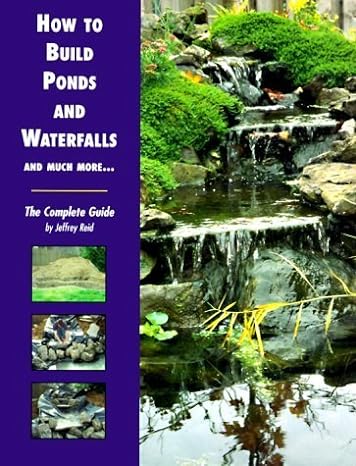 How
to Build Ponds and Waterfalls and Much More... How
to Build Ponds and Waterfalls and Much More...
This incredible book was written with the consumer in it's a
show and tell presentation of everything needed to build spectacular
water gardens.
The methods shown in these chapters are proven, and have been
taught to thousands of do-it-yourselfers. |
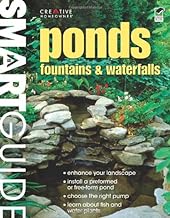 Smart
Guide: Ponds, Fountains & Waterfalls (Landscaping) Smart
Guide: Ponds, Fountains & Waterfalls (Landscaping)
Whether readers are deciding on the type of pond that best suits
their wants and needs or trying to decide whether a stream or
a waterfall fits better into their landscape, Smart Guide: Ponds,
Waterfalls & Fountains has it all. |
 Building
Natural Ponds: Create a Clean, Algae-free Pond without Pumps,
Filters, or Chemicals Building
Natural Ponds: Create a Clean, Algae-free Pond without Pumps,
Filters, or Chemicals
Typical backyard ponds are a complicated mess
of pipes, pumps, filters, and nasty chemicals designed to adjust
pH and keep algae at bay. |
Email
us for information or with your questions.
 Pond
Report Store Pond
Report Store
The
pond report also has information on:
Algaecides
& Bacteria | Deicers
& Bubblers | Weed
Removal | Pond
Pumps & Fountains | Aeration
| Winter
Pond Care | Algae
Control | Pond
Liner | Muck Pellets |
Build
a Solar Aerator | Rotary
Vane Compressors | Floating
Fountains
| Building
a Pond | Linear
Air Compressors & Pumps | Weighted
Airline | Diffusers
& Airstones | Solar
Aeration Systems | DC
& Battery Operated Pumps | Windmill
Aeration | Dock
Bubbler Packages | Building
a Waterfall |
Dyes & Colorants | Consultations
| Questions &
Answers | Links
& Resources | Eurasian
Milfoil
| |
Mosquito Control | Pondkeeper
Treatments | Aeration
Systems | Septic
Bacteria | Grease
Trap Blocks | Dissolved
Oxygen Meters | SOTR
& Pumping Rates |
Portable
Generators |
Duckweed Control
|
Pond
Plans & Pond Building Books & Guides |
© 2007
- 2026 The Pond Report
about
us | privacy
policy | contact
us
|